

A useful car-hire plan begins with the journey, not a photograph of a car. Think about the days when a vehicle would help, the people and bags it must carry, and where you would collect and return it. Those details make the search more specific. They also help you see when a rental arrangement fits the trip and when it adds movement, parking or administration that you do not need.
This guide takes the decision from that first outline to the return. It does not provide a quote, determine who can rent or drive, or recommend an insurance choice. The rental provider is responsible for the terms of its own arrangement; relevant authorities govern the places you intend to drive. Use the method to gather clear questions and compare real answers for your dates, location and circumstances.
Decide which part of the trip needs a car
Mark the days when you expect to use a vehicle and what you would use it for. A journey between several places is different from a city stay with one excursion. Include ordinary journeys such as reaching accommodation, carrying bags and travelling to the return location. Avoid assuming the car must be collected at the beginning of the whole holiday just because that is when you arrive in the destination. Compare the periods that would actually serve your plan.
Look at what happens when the car is not being used. Where would it be kept, how would you reach that place and what arrangements would apply? Ask the accommodation or the responsible parking operator about its own facilities. A central address, an attractive street photograph or the presence of a parking symbol on a general map does not settle the details for a specific stay. Bring those answers into the plan before deciding how many rental days you need.
Write a short brief before comparing options
Make a brief containing the dates, collection and return points, expected passengers, actual luggage and the features essential to the journey. Keep essential needs separate from preferences. For example, a requirement about the transmission is different from liking a particular exterior style. The brief should be specific enough to guide questions but short enough to use while reading a quote. If two people are researching, agree this version first so that you are comparing similar arrangements.
Add anything about the intended journey that needs the provider’s confirmation. That might include a different return point, a border crossing, an additional driver or a particular type of equipment. Record it as a question until you have an answer for the actual rental. A feature advertised somewhere on an operator’s website does not establish its availability or terms at every branch. Save the relevant response with the option rather than relying on a recollection of what a page seemed to suggest.
Choose the collection point as part of the journey
Compare how you would get from your arrival point or accommodation to the actual rental location. Look for the address and collection instructions supplied for that branch. An airport-related label can describe different practical arrangements, so do not stop at the label. Identify what you would need to do after leaving a terminal or station, where bags would go and how a change to your arrival might affect the collection. Use current instructions for the branch and service you are considering.
Consider the end of collection as well. Where will you go first, and is that first drive a sensible beginning after your travel day? Save the first destination and think through how you will retrieve it while preparing to leave. You do not need to map every turn in advance, but the first stop should be an actual place rather than an unresolved idea. A clear first leg gives the collection process a useful endpoint and helps you compare different branch locations.
Understand the category before the example car
Read the category description and the exact terms attached to the quote. A named vehicle in a photograph may be an example rather than the specific vehicle being reserved. On its own rental-size page, Avis says makes, models and features are not guaranteed and depend on location and availability. That is an example of why the wording matters. Check what your chosen provider actually commits to instead of treating a picture or a familiar category name as the complete arrangement.
Ask about the features that are essential to you using concrete language. Consider the passengers, access to seats, luggage shape, transmission and any equipment you intend to carry. Do not infer those details solely from labels such as compact or premium. Keep the answer with the relevant quote, because a similar label on another option does not necessarily describe the same arrangement. The vehicle-choice guide develops this brief in more detail without turning examples into a promised fleet.
| Part of the plan | Write down | Confirm with |
|---|---|---|
| Journey | The days, locations and intended use | The rental provider and relevant authorities |
| Vehicle needs | People, bags and essential features | The provider for the actual category |
| Arrangement | The complete quote and open questions | The issuer of the quote or reservation |
| Handover | Collection, return and onward travel | The actual rental branch |
Check the people and documents with the provider
Identify everyone who is expected to drive and raise their circumstances with the actual provider before committing. Use its current requirements for the collection country, location and rental, and the relevant official authorities for driving-document questions. Do not assume that a previous rental, a licence’s familiar appearance or a companion’s successful booking establishes another person’s eligibility. The practical task is to obtain the information that applies to the people and journey involved.
Keep a list of the documents or confirmations the provider tells you to bring, and distinguish that list from general travel inspiration. If a requirement is unclear, resolve it through the provider’s verified channel. Avoid sending licence images or payment information in a casual message to an unverified contact. This guide cannot determine whether a licence, permit, payment method or driver will be accepted. A clear answer from the responsible source is more useful than a confident assumption made during comparison.
Put complete quotes beside one another
Use the same dates, times, locations and requested features when comparing options. Record the total shown and what it includes, then note anything that still needs an answer. The U.S. Federal Trade Commission’s car-rental guidance encourages consumers to examine the complete cost rather than only an advertised rate. Apply that as a comparison method: look at the actual quote in front of you, its currency and the details relevant to your intended use.
Do not force unlike offers into a simple cheapest-to-most-expensive list before understanding them. One may contain an optional item that another does not, or use a different collection point or return time. Write those differences down. If an item is not explained clearly, ask the provider rather than assigning it an estimated value of your own. Our quote-comparison guide offers a compact way to keep the arrangement, the conditions and the unanswered questions together.
Keep payment and coverage questions separate
Ask the provider to explain its payment requirements and any amount it may hold or collect, including when and how it expects to do so. Keep that answer distinct from the quoted rental cost. Use the relevant issuer or account provider to resolve questions about your own payment method. Do not assume that the way a previous rental was handled will apply again, and do not treat a general destination article as confirmation that a particular card or account will be accepted.
Read any proposed protection, waiver or insurance wording through its actual provider. If you are considering relying on an existing policy or benefit, ask the issuer or insurer to explain how it applies to your circumstances and intended rental. Record the answer before deciding. This article does not tell you to accept or decline an option, and does not determine coverage or liability. The useful planning step is to identify who can answer the question and keep that answer with the arrangement it concerns.
Confirm where and how the vehicle may be used
Describe the route you intend to take in enough detail for the provider to answer any restrictions question. Include changes of country, region or return point and any unusual part of the journey that matters. Ask about the actual agreement instead of treating a vehicle’s appearance as permission to use it in a particular setting. A photograph of a car on a mountain or coastal road is an illustration; it does not establish what a rental contract permits.
Use the responsible local authorities for current driving, access and parking information along the route. Keep that information separate from the provider’s contract terms: both can matter, and one does not replace the other. If the plan changes after booking, recheck the details that the change affects. A new overnight stop, a different return location or an added driver can alter the questions you need answered even when the broad idea of the trip remains the same.
Give collection enough attention
Bring the actual confirmation and the documents the provider requires, using the collection instructions for the chosen branch. Read the agreement and ask about anything that differs from what you expected before proceeding. Confirm the return location and procedure at the same time. The collection and return guide helps organise this stage around the actual handover rather than a generic assumption about how every rental counter operates.
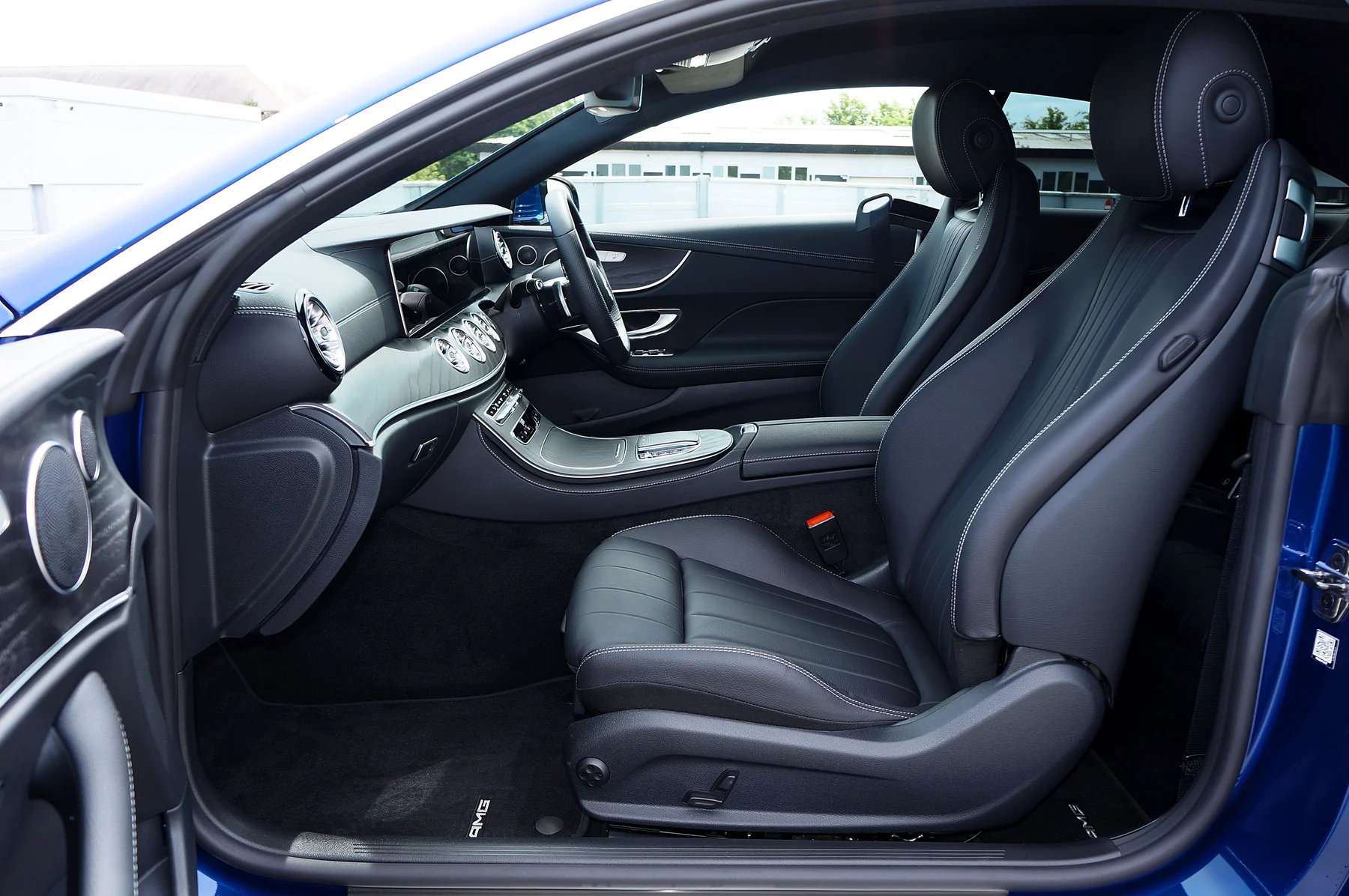
Take the opportunity to understand the vehicle you receive. Ask the staff about unfamiliar controls or features while it is parked, and establish the correct fuel or charging information from the vehicle and provider’s instructions. Follow the provider’s process for noting its condition and raising a discrepancy. Keep the relevant handover record with your other rental information. A rushed departure is not the goal; a clear understanding of the vehicle and arrangement is a better starting point for the journey.
Make the first drive a practical one
Before setting off, have the next destination, the intended parking or stopping arrangement and the contact information you may need available through an appropriate method. Configure anything you need while parked, rather than making the first drive an opportunity to learn an unfamiliar device. If the surroundings or vehicle are new to you, allow the plan to reflect that unfamiliarity. There is no fixed amount of time that makes every collection and first journey comparable.
Build the day around the people travelling as well as the distance. Consider a manageable first stop, meals and breaks alongside the route. Avoid turning a map’s suggested travel time into a promise about the day. Current conditions and the actual journey need attention. If an arrangement or vehicle issue appears, use the provider’s stated assistance or contact procedure and follow relevant local instructions. Keep the scope of this guide in view: it supports planning and does not replace driving instruction or live road information.
Know the fuel, charging and distance arrangements
Read the terms that apply to fuel or charging and any distance allowance for your specific rental. Ask the provider to explain the return requirement and how it will be assessed if the wording is unclear. Keep those details in the live plan rather than assuming that a common phrase has the same meaning everywhere. Do not copy an amount, allowance or return target from a different operator or an older trip.
Think about how the requirement fits the final journey. Identify what you need to check before return and where you will find current information for doing it. An electric vehicle also needs a charging plan suited to the actual vehicle, route and equipment; a vehicle-category photograph cannot establish those details. Ask the responsible provider about unfamiliar equipment or instructions. The aim is to understand the arrangement you have chosen, not to prescribe one fuel or charging method for every traveller.
Plan the return before the final morning
Save the actual return address and instructions, even if they appear similar to the collection details. Work backwards from any onward commitment, including the process after leaving the car. Returning a vehicle and reaching an airport terminal are separate parts of a journey. Check how that connection works for the branch and time involved. Keep it in the plan with the bags and people who need to make it, rather than treating return as a single dot on a map.
If you need to return outside staffed hours, confirm the procedure directly with the branch. Enterprise’s U.S. after-hours information is one operator-specific example that directs travellers to the rental location for the exact arrangements. It does not establish another company’s service or your branch’s availability. Ask how the vehicle and keys should be handed over, what confirmation you can expect and which contact route to use if the planned return changes.
Close the hire with the right records
Follow the actual return process, retain the records supplied and check that you have removed your belongings. If you connected a phone or entered personal destinations, use the vehicle’s supported process to remove your information before handing it back. The FTC’s consumer guidance highlights that connected rental vehicles can retain personal data. Ask for help with the relevant controls if needed while the vehicle is parked. Do not assume that unplugging a cable removes everything you entered.
Keep the confirmation, agreement and return record together until you have checked the final account and resolved any question with the provider. If something differs from what you understood, use the provider’s stated process and the documents relevant to that issue. You do not need to make the rental the centre of the whole holiday. A clear brief, a comparable quote and an understood collection and return let it support the journey it was chosen for.
Back to the planning library